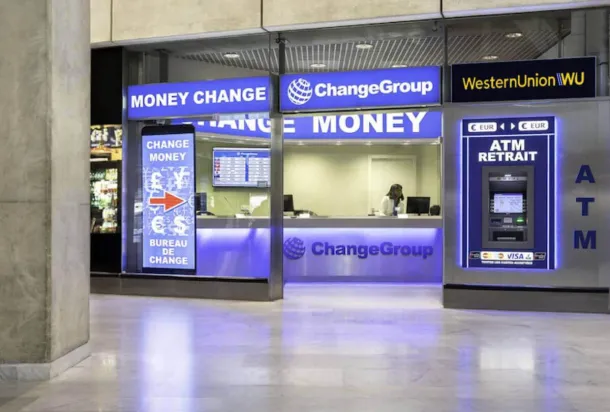
Top 10 Tips For Exchange Rate Margins, In Terms Of Currency Exchange
In the field of finance international, understanding the importance of exchange rate margins for anyone who is involved in travelling in business, conducting business or managing investments in countries that are not yours. The exchange rate margin is the difference in the buying and selling rates of currencies. It can be a significant factor in overall costs of transactions. These margins are different between providers. They can impact how much money you spend to exchange currency or the profit you make by investing. By grasping the nuances of exchange rate margins you'll be able to make better decisions that can save you money and enhance your financial performance. The top ten strategies for managing margins are listed below.
1. Learn About the Exchange Rate Margin is.
The margin of exchange, often referred to as the spread, is the difference in the price that a currency is able to be purchased (ask price) and the price at which it is able to be sold (bid price). Investors, travelers and business people should understand this concept, because it can affect the rate at which you exchange currencies. A narrower range indicates an advantageous exchange rate and more sound financial decisions.
2. Compare the margins of different providers
Different financial institutions will have different margins for exchange rates. Comparing the margins offered by different currency exchange providers such as banks, online platforms, or kiosks for currency exchange is an excellent idea prior to you exchange any money. Websites such as XE.com and OANDA will provide information on real-time rates and margins that allow you to pick the most affordable option to make your exchange.
3. Be aware of the effects of market forces on margins
Margins for exchange rates are influenced by a variety of factors that include fluctuations in the market, economic indicators, and geopolitical developments. In some cases, an economic crisis or political instability could cause a greater margin due to the increased risk. Be aware of these market dynamics will help you spot changes in exchange rates and take timely decisions regarding money transactions.
4. Online exchange of currencies
The online currency exchange platforms offer higher exchange rates, with less fees and margins than traditional banks. Companies like Wise (formerly TransferWise) and Revolut typically provide rates that are real-time, which have lower fees and higher margins. Utilizing these platforms can reduce your expenses for changing currencies when you travel or for doing business.
5. Timing Your Currency Exchange
– When you choose to change currency, it can influence your margins. Rates of exchange change throughout the day depending on market demand and supply. Monitoring these fluctuations will help you determine the best time to switch currency. This can lead to better margins. Tools that monitor trends in currency can be beneficial in making these decisions.
6. Strategies for Currency Hedging: Leverage
Hedging of currency is a useful tool for businesses and investors to control the margins of exchange rates. Hedging involves the use of financial instruments that lock in exchange rates to protect future trades against the fluctuation of currency values. This will reduce the effect of margins increasing and increase profit stability for international companies.
7. Keep an eye on the Economic Indicators
The exchange rate and margins could be influenced by a variety of economic indicators like interest rates, inflation rates, as well as data on employment. Increasing interest rates in a particular country may stimulate the investment of foreign capital. This will strengthen the currency of that country and reduce its margin. Through monitoring these indicators you can gain insights into possible currency fluctuations and alter your strategies for exchange accordingly.
8. Travelers should consider the local currency while traveling
Pay in local currencies when you travel and not in your home currency. It is possible to avoid paying for an exchange rate that is dynamic (DCC), which often has unfavorable rates of exchange. Local currency payment usually results in a better exchange rate, and also lowers the cost of purchasing overseas.
9. Be aware of hidden costs
– Be aware that services offering currency exchange may also charge hidden costs. These could include service fees, transaction fees, or commissions. These fees could affect the margin you earn. Be sure to be sure to read the fine print and inquire about any additional charges before proceeding with a currency exchange to avoid unexpected costs.
10. Contact Financial Experts for Large Transactions
Get advice from financial experts or a specialists in currency if you work in large sums of money or if your currency exchanges are complex. They can provide invaluable insights. They can help you comprehend the exchange rate margins as well as offer strategies to lower costs. They can be of particular benefit to companies that participate in international transactions or investors who want the best possible rates for currency exchange.
These specific tips will allow you better deal with the complexity of the world of currency transactions. Learning how to effectively manage exchange rate margins will help you make smarter decisions to align your financial goals. It will save you money, and your strategies will be improved. Take a look at the top currency exchange examples for site tips including usd jpy, us to baht, gpb to usd, dinar guru, 1 us dollar in indian rupees, usd to chinese yuan, dollar to php, dollar to yen, currency converter, php to dollar and more.

Top 10 Suggestions For Rates Of Exchange And Currency Conversion For Currencies Of Destination
Understanding the currency of the destination of the country is crucial for anyone who is conducting international business or executing investments on foreign markets. The local currency is the currency that you'll use when visiting the country, or engaging with them. This can affect your financial decisions. Fluctuations with exchange rates and conversion fees along with the economic climate in general can influence how much you travel or the profitability of business deals and investments are. You can make better financial choices and optimize your strategies by becoming familiar with the destination currency. Here are ten suggestions to help you handle destination currency effectively when it comes to your financial activities.
1. Before you travel, make sure to check the currency of your destination.
– Before heading to a different destination be sure to study the currency of the country. Know its worth in relation to the currency you use at home and become familiar with the currencies used. This knowledge can assist you in managing your finances and stop you from paying too much for goods and services. Websites, such as XE.com offer current and historical information about exchange rates. You can use this to calculate the value of your currency be worth overseas.
2. Check the exchange rates prior to Your Trip
Monitoring these fluctuations can help you decide when to exchange money. Use currency tracking tools and apps to set up alerts for exchange rates that are favorable. Consider exchanging funds sooner when you notice a trend downwards in the currency.
3. Currency Conversion Costs: What Should You Consider?
Banks, exchange services and ATMs are able to charge a wide range of fees for currency conversion. Be aware of the charges related to the conversion of your home currency into the currency you'll be using, as they could add up to the cost of your. Compare rates from different companies and look into online platforms that provide competitive exchange rates and lower costs for conversion of currency.
4. Make use of local currency to make Payments
When you are making purchases abroad always choose to make payments in local currency, not your own. Paying in your home currency usually is a dynamic currency conversion (DCC), which typically has negative exchange rates as well as higher charges. Paying in the local currency lets you take advantage of higher rates and eliminate costly expenses, ultimately extending your budget further.
5. Make a plan for your cash needs in Advance
Although many countries accept credit or debit cards, it's essential to carry cash in case of small purchases, tips or places that do not accept cards. If you intend to make use of ATMs in other countries, research the fees and withdrawal limitations. It is possible to withdraw a substantial amount of cash at once in order minimize transaction fees. A local currency that is readily available can enhance your travel experience and avoid any problems.
6. Understanding local payment preferences
Different countries might have different payment preferences. In some countries cash is the most popular choice. Some countries rely more on digital payments or credit cards. Learn about the local payment culture to discover what's the most well-known. This will help you to design and create your payment methods.
7. Be aware of currency risk for business
If you conduct business in a foreign land, be alert to the risk of currency fluctuations that are associated by fluctuations in exchange rates. An abrupt drop in value of a currency that you intend to use may impact your profits or overall financial performance. To reduce the risk of currency fluctuations think about utilizing hedging techniques, such as future contracts, in order to secure exchange rates.
8. Keep track of your spending
In order to keep within the budget while traveling, tracking your spending is crucial. Make use of budgeting applications or keep a meticulous record of your expenses to determine how much you're spending in local currency. This will ensure that you don't go over budget and have enough money to cover the entire cost of your trip.
9. Financial Regulations – Become educated
– Each country has different rules regarding currency exchange, cash transaction and reporting requirements. Make sure you are familiar before you travel or conduct any type of business, with these rules. For example, some countries may have limits on the amount of cash you may take in and out, while other countries may require you to declare transactions that are large. Understanding these rules will help you navigate through them.
10. Consult Currency Experts for Investments
– If you are watching investments in foreign markets, you should consider speaking with currency experts or financial advisors who specialize in international investments. They can provide insight on how fluctuations in currency affect your portfolio of investments. They will also help you develop strategies to effectively manage currency risks. Their knowledge is valuable in navigating the complexities and maximizing your financial results.
The following detailed advice for managing destination currencies will help you navigate the complexities involved in traveling in business, conducting business and tracking your investments. Knowing the implications of destination currency will help you make better financial decisions, which align with your objectives. Have a look at the most popular CZK to EUR for site examples including pound to dollar, convert pounds to dollars, 1 usd in rupees, usd to aud, thb to usd, usd to peso, dollor to inr, euro to dollar conversion, dollar to php peso, dollar to inr and more.